 Benefits & Uses
Creating an At-Home Spa Evening: Diffuser, Scented Candle and Room Mist Ideas
Most at-home spa nights fail the same way. You light a candle in the bathroom, run a diffuser in the bedroom, and by the time you're actually relaxing in the tub, you can't smell either one anymore. That's not bad luck or a weak candle — it's your nose doing exactly what it's built to do.
Table of Contents
Key Takeaways
- Olfactory receptors adapt fast, so a steady scent's perceived intensity drops sharply within minutes (Dalton, 2000).
- Adding extra drops doesn't make a scent stronger once your nose has already adapted to it.
- True fragrance layering uses one blend's shifting notes, not three competing scents in different rooms.
- Bergamot's citrus top note fades first, lavender's floral note lasts longer, chamomile's warmth lingers longest.
- Match formats to the evening: diffuser on arrival, candle during the soak, mist afterward.
Why the scent disappears halfway through the evening
Olfactory receptors adapt quickly to a steady, unchanging smell. Psychophysical research on odor adaptation has shown that perceived intensity of a constant scent drops sharply within the first several minutes of exposure and keeps declining the longer you sit in it (Dalton, P., "Psychophysical and Behavioral Characteristics of Olfactory Adaptation," Chemical Senses, 2000). This is why the common advice to "add a few extra drops for a stronger effect" doesn't really hold up — once your nose has adapted to a scent, more of the same molecule mostly just means more molecule in the air, not more sensation for you. It's also why a spa evening built around one static source of fragrance tends to go quiet after twenty minutes, even though the diffuser is still running.
The fix isn't a stronger dose. It's variation — giving your nose something that shifts in character over the course of the evening instead of sitting flat.
The part most people get backwards: layering doesn't mean mixing different scents
A lot of spa-night advice tells you to "layer" fragrance by combining a citrus diffuser blend with a floral candle and a different mist again. In practice this usually just creates three competing smells fighting for attention in the same room, which is tiring rather than relaxing.
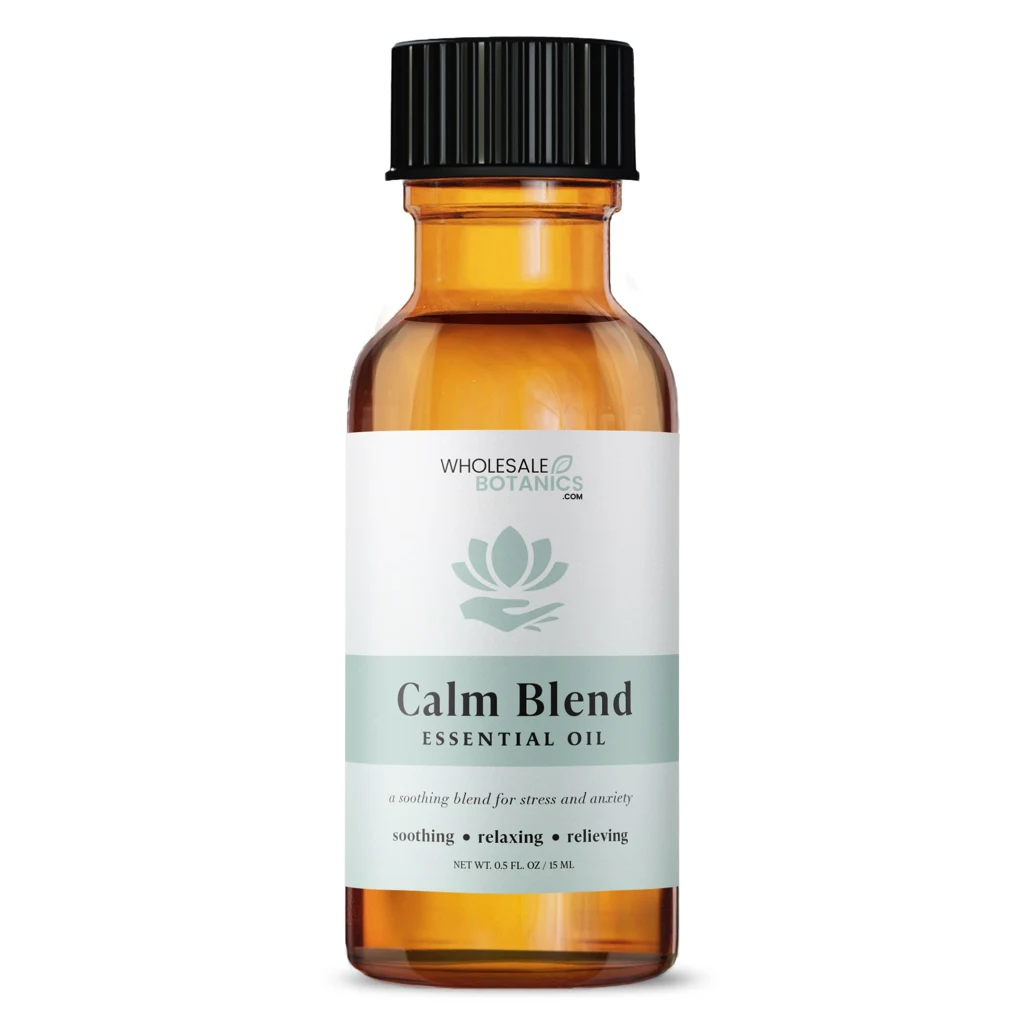
There's a more useful way to think about layering, and it comes from perfumery rather than wellness marketing: a blend made of multiple botanicals doesn't smell the same from the first minute to the last, because its components evaporate at different rates. Cold-pressed citrus oils like bergamot are small, highly volatile monoterpene-rich molecules that read as a bright top note and fade first. Floral oils like lavender sit in the middle, lasting longer. Heavier, warmer notes — the kind chamomile brings — linger longest as the base (this top/middle/base framework is standard in perfumery and essential oil chemistry; see Tisserand, R. & Young, R., Essential Oil Safety, 2nd ed., Elsevier, 2014). Our Calm Essential Oil Blend is built on exactly that structure: steam-distilled lavender, steam-distilled chamomile, and cold-pressed bergamot peel oil combined in small batches, so it opens with a citrus snap, settles into soft floral, and finishes on chamomile's gentle, apple-like warmth.
The useful move for a spa evening is to use the same blend across different formats rather than switching scents between rooms. A diffuser, a candle, and a mist each release and emphasize those notes a little differently depending on heat and airflow, so you naturally get variation without the fragrance ever clashing with itself.
Ready to try Calm Essential Oil Blend?
Sold in sizes from 0.5 oz to 16 oz, lab-tested and shipped fast.
Shop Calm Essential Oil BlendDeciding where each format earns its place
Think in terms of the shape of the evening rather than the shape of the room:
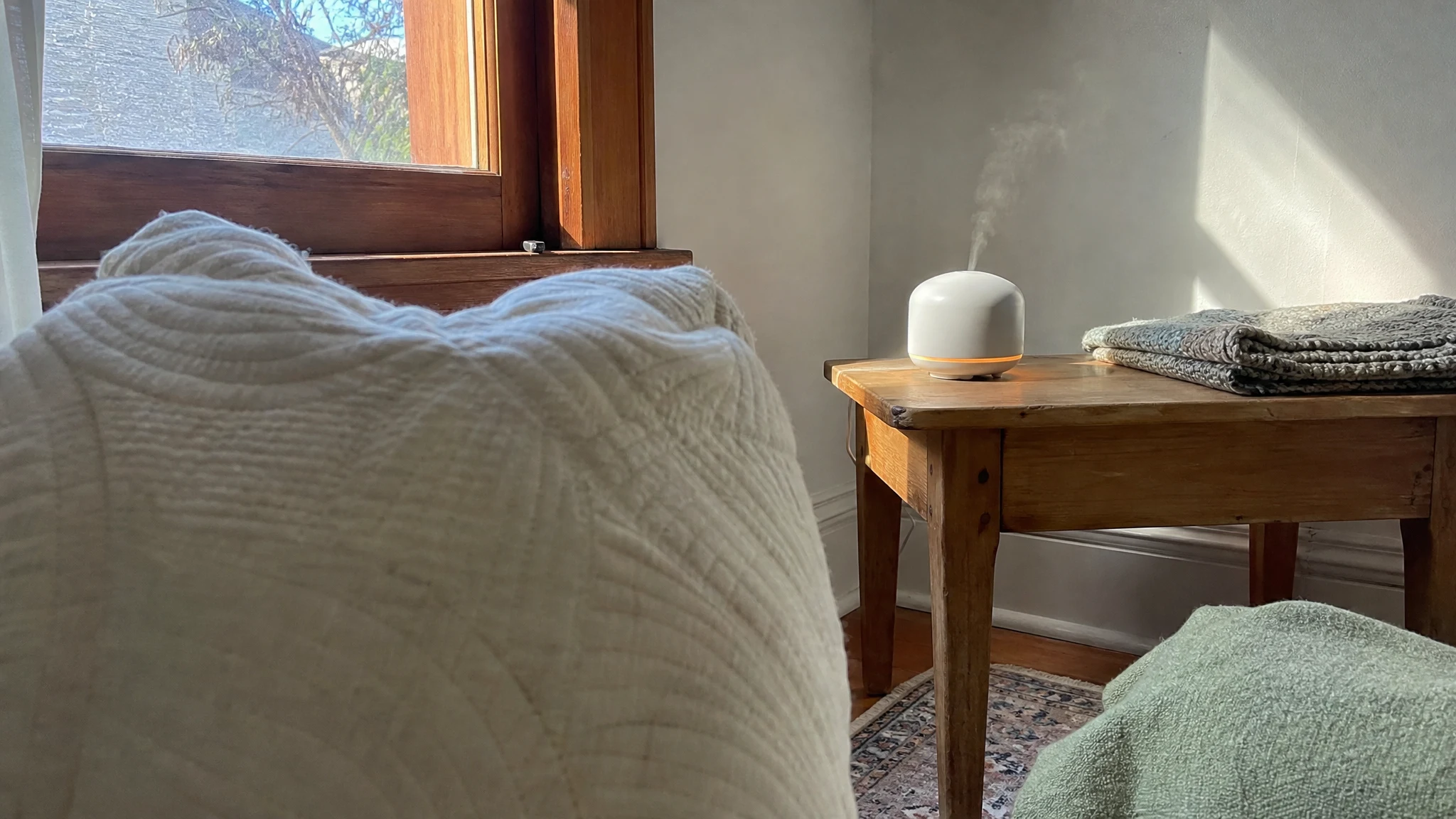
- Arrival, while you're running the bath or tidying up — a diffuser is the right call. It builds ambient scent gradually in a space you're moving through, not sitting still in, so adaptation matters less.
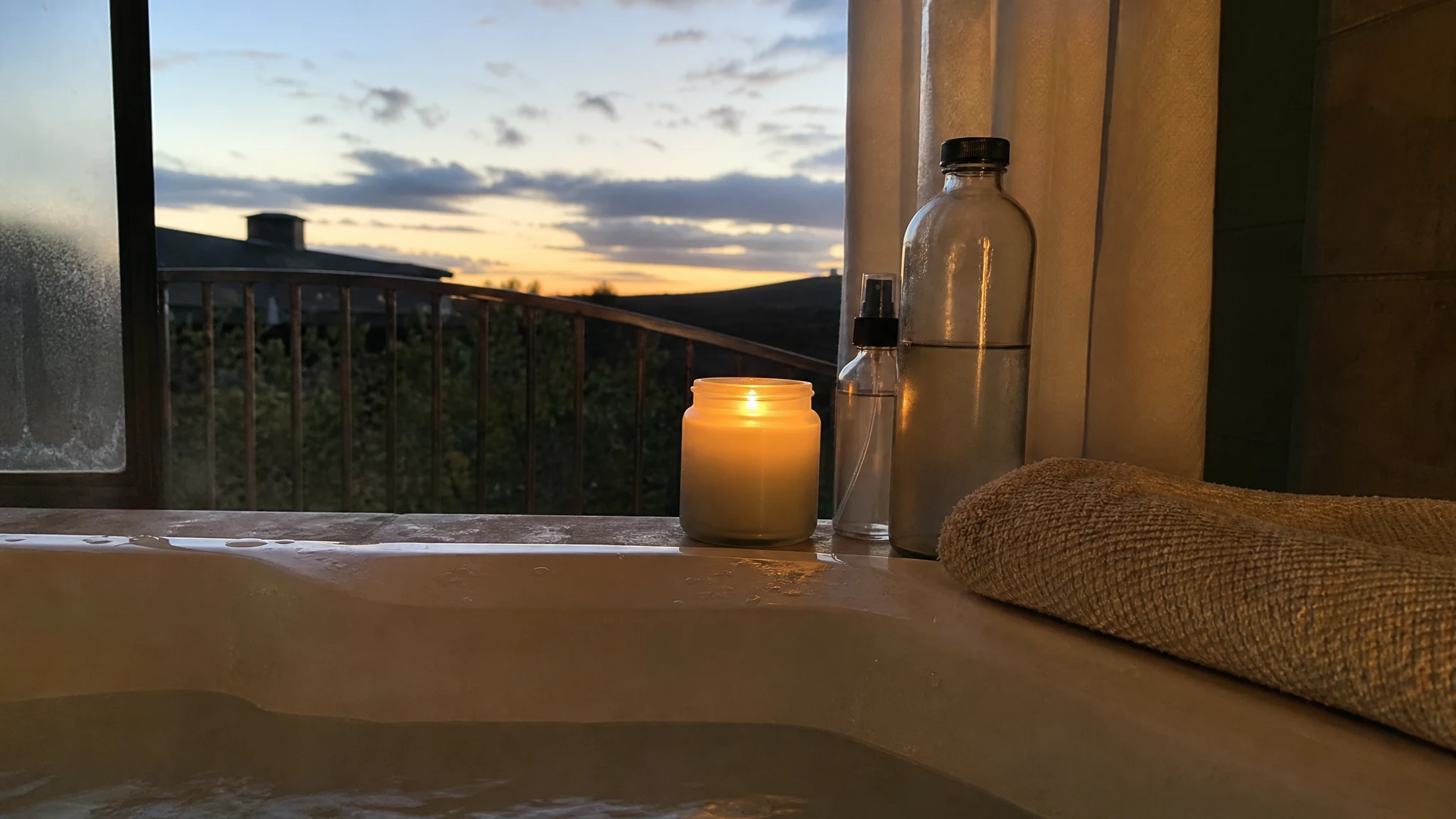
- The soak itself, when you're stationary — a candle makes more sense than a diffuser. Heat from the flame pulls more of the blend's heavier compounds into the air, which is when chamomile's warmth tends to come forward.
- Afterward, for robes, towels, and bedding — a room mist gives you an instant, short-lived burst rather than a slow build, which suits a quick refresh rather than hours of ambient scent.
Putting it together
For the diffuser, follow the drop count in your specific unit's instructions rather than guessing — ultrasonic and heat diffusers vary enough in reservoir size that a universal number isn't reliable, and overfilling mostly just wastes oil once adaptation sets in.
For a candle, stir a small amount of the blend into the wax after you've taken it off heat and it's cooled somewhat, rather than adding it to wax that's still near the flame or at pouring temperature. Essential oils are flammable liquids, and adding them while the wax is cooler reduces both the fire risk and the amount of fragrance that simply burns off before the candle ever sets. If you want more complexity in the finished candle, Calm pairs well with cedarwood, vanilla, or sandalwood added to the same pour.
For a room mist, a simple ratio of water and witch hazel with a few drops of the blend in a spray bottle covers linens, curtains, or a stuffy bathroom well. Witch hazel helps the oil disperse in the water rather than sitting on top of it, so you get a more even mist instead of oily droplets landing on fabric.
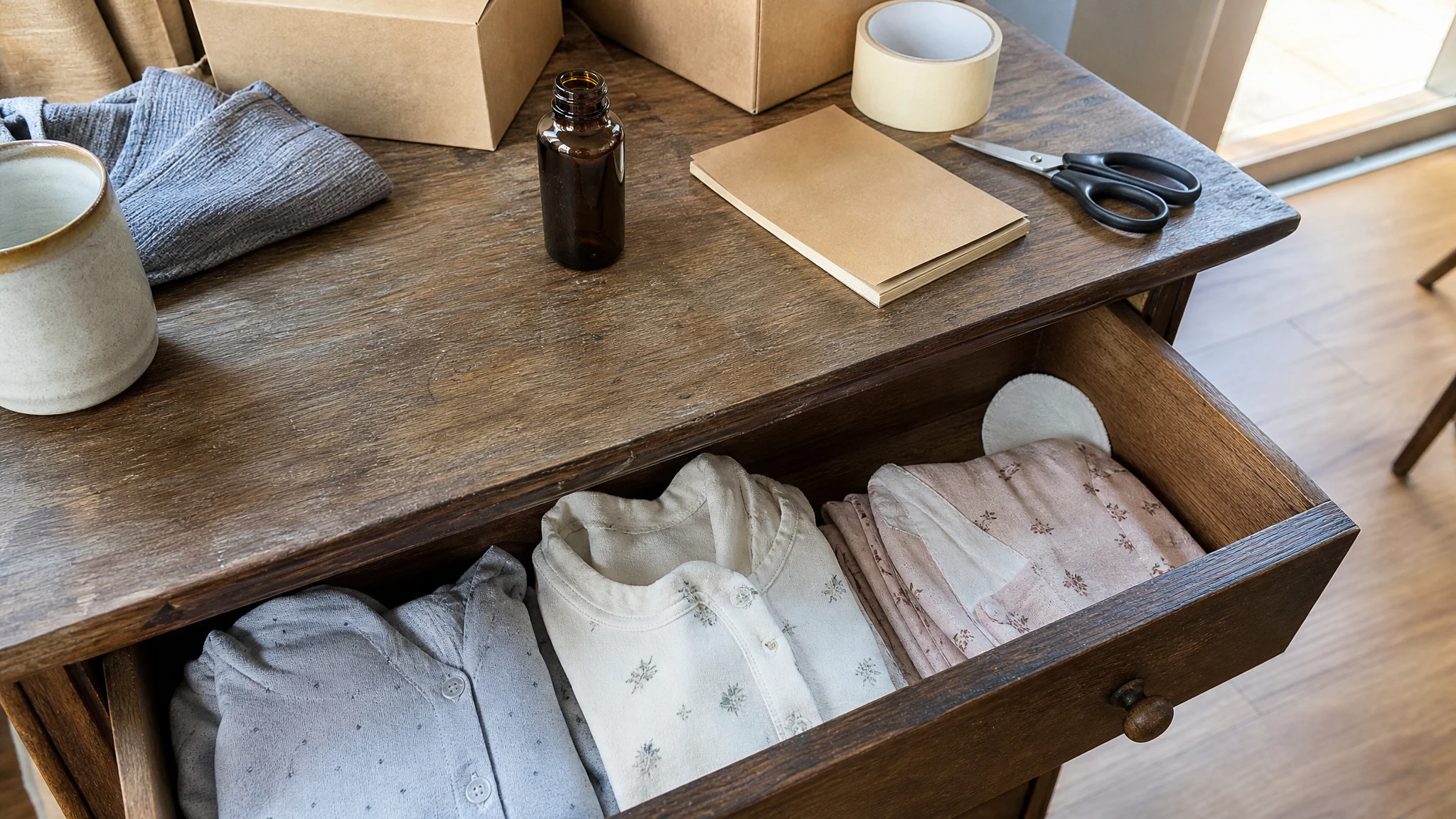
If you want the scent to last beyond one evening without any extra equipment, a cotton pad with a few drops tucked into a dresser drawer or gym bag works for weeks, long after the candle's gone out — useful if the actual goal is a nicer-smelling closet rather than a one-night event.
Where to be careful
Bergamot peel oil, even cold-pressed, contains furanocoumarins such as bergapten that can increase skin's sensitivity to UV light when applied topically and then exposed to sun (Tisserand & Young, Essential Oil Safety, 2nd ed., 2014). This mostly matters if you're mixing the blend into a lotion for skin contact rather than diffusing or misting it into the air — if you go that route, plan on staying out of direct sun afterward, or ask a dermatologist about photosensitivity if you're already using retinoids or other sun-sensitizing products.
If you share your home with a cat, be thoughtful about diffusing in enclosed rooms. Cats lack some of the liver enzymes other animals use to metabolize certain essential oil compounds efficiently, which veterinary toxicology sources flag as a reason to keep diffusers in well-ventilated spaces and let cats leave the room if they choose (Pet Poison Helpline, pet poison information on essential oils). A vet is the right person to ask if you're unsure about a specific pet.
And if you're pregnant, nursing, or managing a medical condition, check with your doctor before building essential oils into a regular routine — this applies to any essential oil, not something specific to this blend.
None of this is a reason to skip the spa evening. It's just a reason to treat scent the way a good perfumer would: as something with a shape and a timeline, not a dial you turn up for more effect.
Frequently Asked Questions
Why does scent from a diffuser or candle seem to fade during a spa evening?
Your olfactory receptors adapt quickly to a steady, unchanging smell, so perceived intensity drops sharply within minutes, according to Dalton's 2000 research on odor adaptation. This is why a single static fragrance source, like one diffuser running all evening, tends to go quiet after about twenty minutes even though it's still working.
Will adding extra drops of essential oil make the scent stronger or last longer?
No — once your nose has adapted to a scent, adding more oil mostly just puts more molecule into the air without increasing what you actually perceive. The article notes this is why the common advice to add extra drops for a stronger effect doesn't really hold up, and overfilling a diffuser mostly wastes oil.
What does 'layering' fragrance actually mean for a spa evening?
True layering means using one blend whose components evaporate at different rates, not combining three different scents in different rooms. Mixing a citrus diffuser blend, a floral candle, and a separate mist usually creates competing smells that feel tiring rather than relaxing, while a single multi-note blend naturally shifts in character as it's diffused, burned, or misted.
In what order should I use a diffuser, candle, and room mist during the evening?
Use a diffuser during arrival while you're running the bath or tidying, since it builds ambient scent gradually in a space you're moving through. Switch to a candle during the soak itself, when heat pulls more of the blend's heavier compounds into the air. Finish with a room mist afterward on robes, towels, or bedding for an instant refresh.
Is it safe to put a bergamot-containing blend like Calm on skin?
Use caution — cold-pressed bergamot peel oil contains furanocoumarins such as bergapten, which can increase skin's sensitivity to UV light after topical application. The article advises staying out of direct sun afterward if you mix the blend into a lotion for skin contact, or checking with a dermatologist first if you already use retinoids or other sun-sensitizing products.
Is it safe to diffuse essential oils in a home with a cat?
Be cautious — cats lack some of the liver enzymes other animals use to metabolize certain essential oil compounds, according to veterinary toxicology sources cited in the article. It recommends keeping diffusers in well-ventilated rooms and letting cats leave the space if they choose, rather than diffusing in small, enclosed rooms.