 Benefits & Uses
From Bottle to Nose: A Plain-Language Look at How Scent Reaches You and Why Preference Matters
Two people open the same bottle of lavender and chamomile blend. One takes a breath and feels the knot in their shoulders ease. The other wrinkles their nose and sets it down. Nothing about the oil changed between those two reactions — what changed is the brain doing the smelling. Understanding why starts with the odd, fast route scent takes on its way from a diffuser to your head.
Table of Contents
Key Takeaways
- Olfactory signals reach the amygdala and hippocampus before the thalamus, unlike sight, hearing, or touch.
- Axel and Buck identified the olfactory receptor gene family, earning a 2004 Nobel Prize.
- Herz's research found much of aromatherapy's mood effect comes from expectation and association, not pure chemistry.
- Keller et al. showed a single gene variation changes how strongly people perceive the same scent.
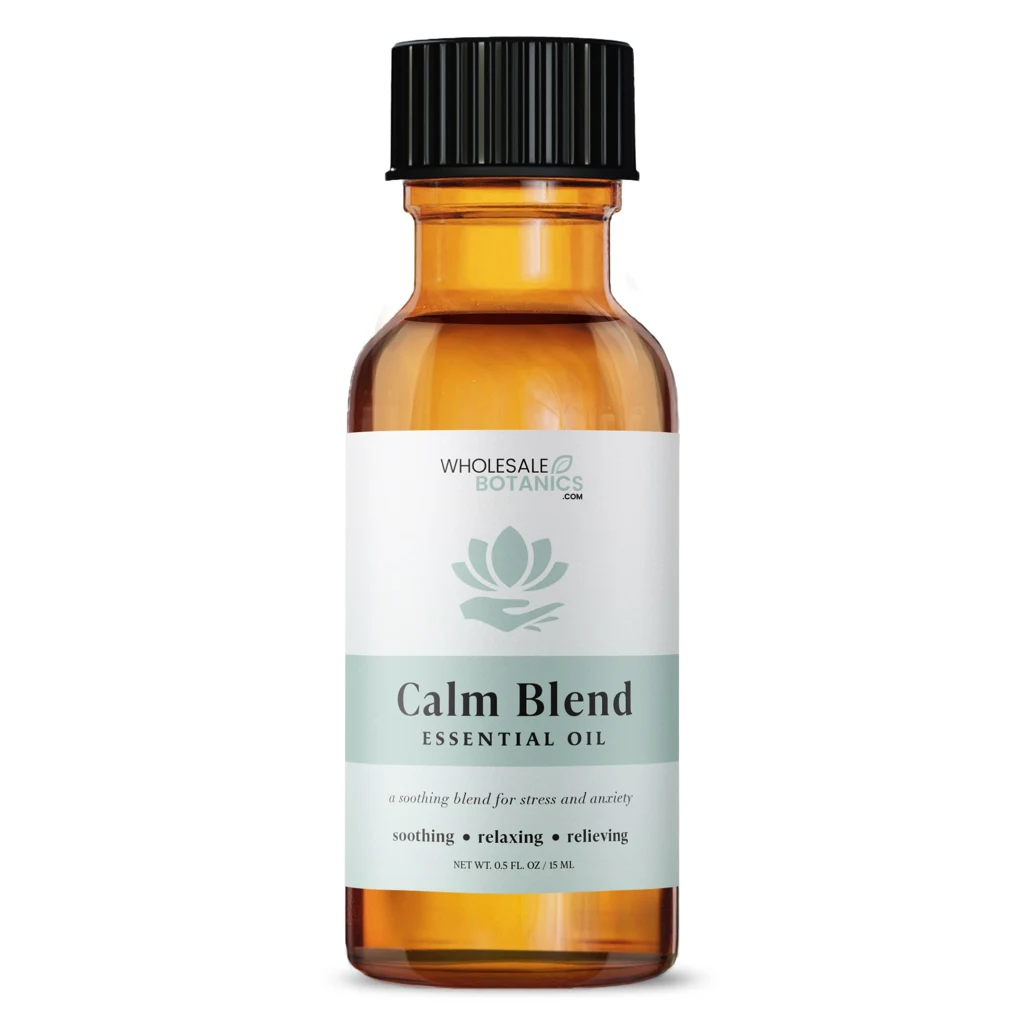
- The Calm blend opens with bergamot, settles into lavender, and finishes with chamomile's apple-like warmth.
The nose has a shortcut most of your other senses don't get
Smell starts with molecules, not light or sound waves. When an essential oil's volatile compounds evaporate into the air — which is why diffusing, warming, or simply opening a bottle releases fragrance at all — a handful of those molecules land on the olfactory epithelium, a patch of tissue high in the nasal cavity packed with specialized receptor neurons. Richard Axel and Linda Buck identified the gene family behind these receptors in 1991, work that won them the Nobel Prize in Physiology or Medicine in 2004 (Buck & Axel, Cell, 1991). Each receptor type responds to specific molecular shapes, and a single scent — bergamot peel oil, say — triggers dozens of receptor types at once, which is part of why 'citrusy' smells nothing like a single note.
Here's the part that matters for aromatherapy specifically: those receptor neurons send signals straight into the olfactory bulb, which connects directly to the amygdala and hippocampus — the brain's centers for emotion and memory — before the signal ever reaches the thalamus, the relay station that sight, hearing, and touch all have to pass through first (Soudry et al., European Annals of Otorhinolaryngology, Head and Neck Diseases, 2011). Smell is the only one of the major senses with that kind of direct line. It's a big part of why a scent can summon a memory or a mood almost before you've consciously registered what you're smelling.
Where generic advice overstates things
A lot of aromatherapy content treats specific oils as though they're pharmacological agents with a fixed, universal effect — lavender as a kind of mild sedative you inhale. The research doesn't fully back that up. Rachel Herz's review of the aromatherapy literature found that a meaningful share of the mood and relaxation effects attributed to scent come from expectation, context, and learned association rather than any direct chemical action on the nervous system (Herz, International Journal of Neuroscience, 2009). That doesn't mean scent does nothing — some inhaled compounds, including linalool, the terpene alcohol that makes up a large share of lavender oil's aroma, have been studied for measurable effects on autonomic nervous system activity in small trials. But the size and direction of that effect varies by person, dose, and setting, and it sits alongside, not above, the psychological route. If a candle company tells you a single whiff will switch off stress like a light switch, that's marketing outrunning the science.
Ready to try Calm Essential Oil Blend?
Sold in sizes from 0.5 oz to 16 oz, lab-tested and shipped fast.
Shop Calm Essential Oil BlendWhy the same blend lands differently for different people
This is where preference stops being a matter of taste and becomes a matter of biology. Olfactory receptor genes vary from person to person more than almost any other gene family in the human genome, and that variation changes what people actually perceive. Keller and colleagues showed that a single amino acid difference in one receptor gene changes whether people describe the same compound as having a strong, unpleasant quality or barely notice it at all (Keller et al., Nature, 2007). Layer on top of that years of personal association — a grandmother's garden, a hospital waiting room, a candle from a bad year — and you get two people smelling the identical blend of lavender, bergamot, and chamomile through genuinely different neural wiring and different histories. Neither reaction is wrong. It's also why we'd rather you smell a blend before committing to it than take anyone's word that a given scent is universally relaxing.
Putting the mechanism to use
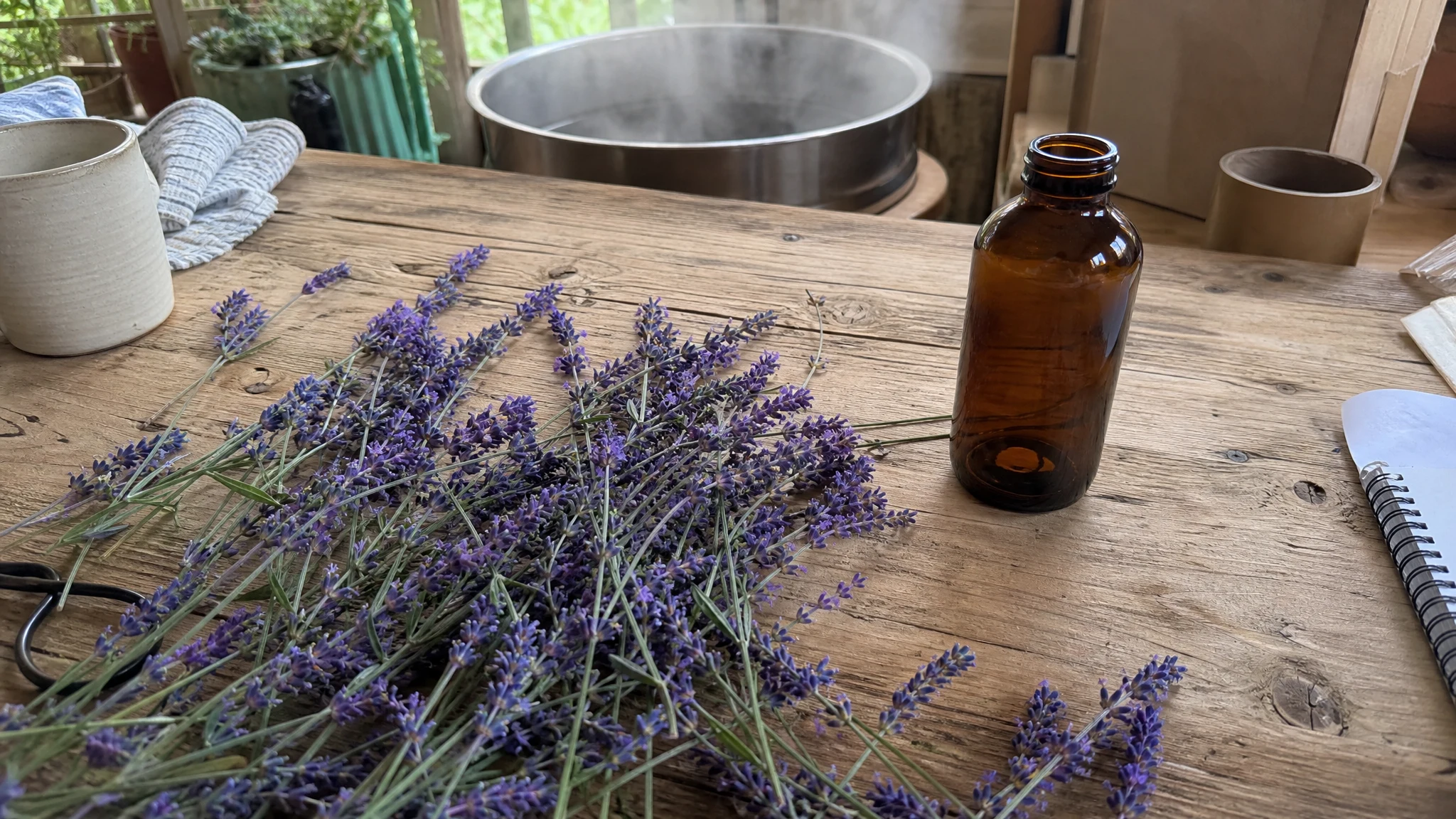
Because the olfactory route is so direct and so fast, small amounts go a long way, and the setting you use a scent in matters as much as the scent itself. Our Calm blend combines steam-distilled Lavandula angustifolia, steam-distilled Matricaria chamomilla, and cold-pressed Citrus bergamia peel oil, each processed on its own before we combine them in small batches. In the air, it opens with bergamot's bright citrus snap, settles into lavender's soft floral note, and finishes with chamomile's gentle, apple-like warmth — rounded and herbaceous rather than sharp or sweet.
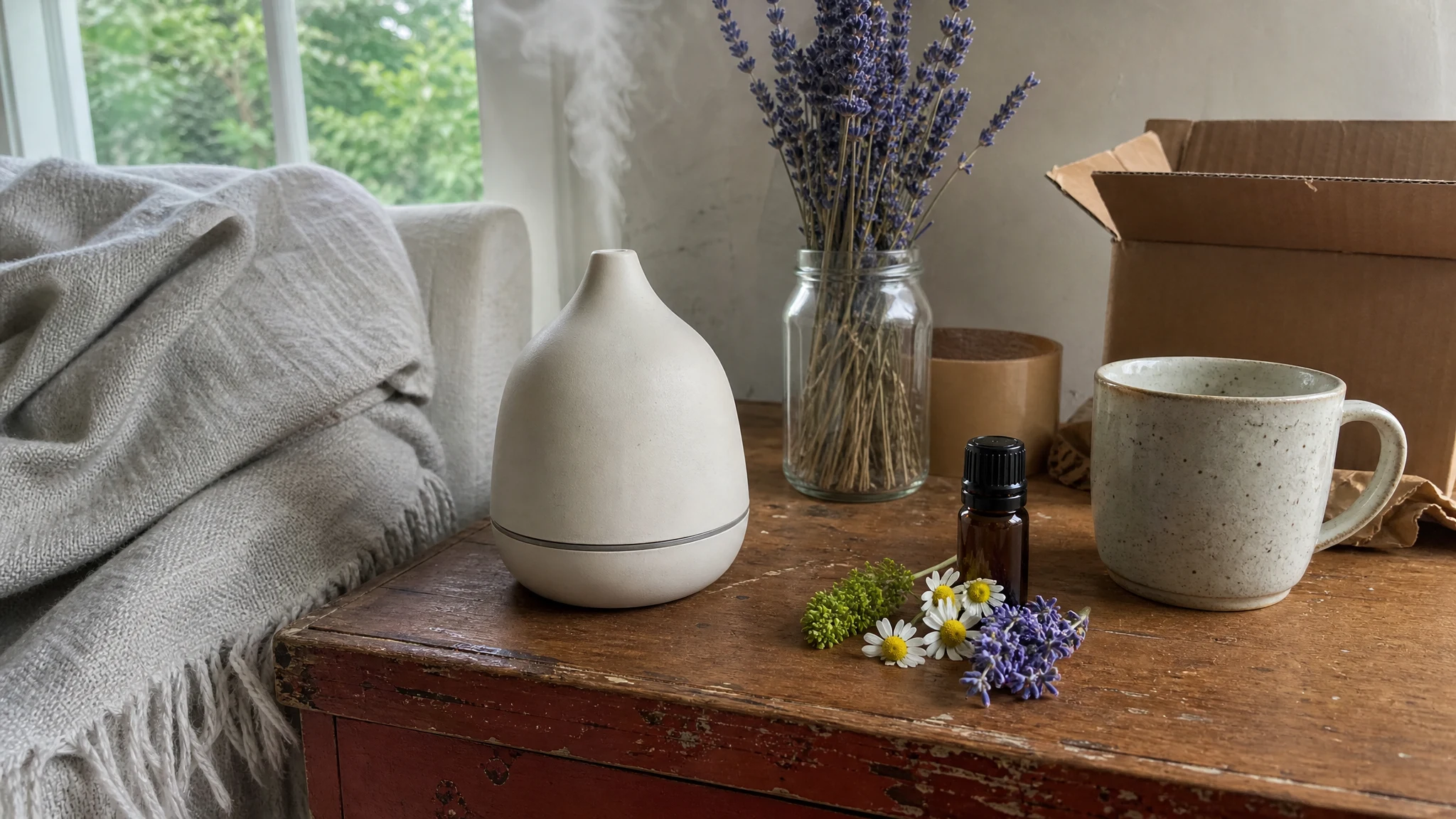
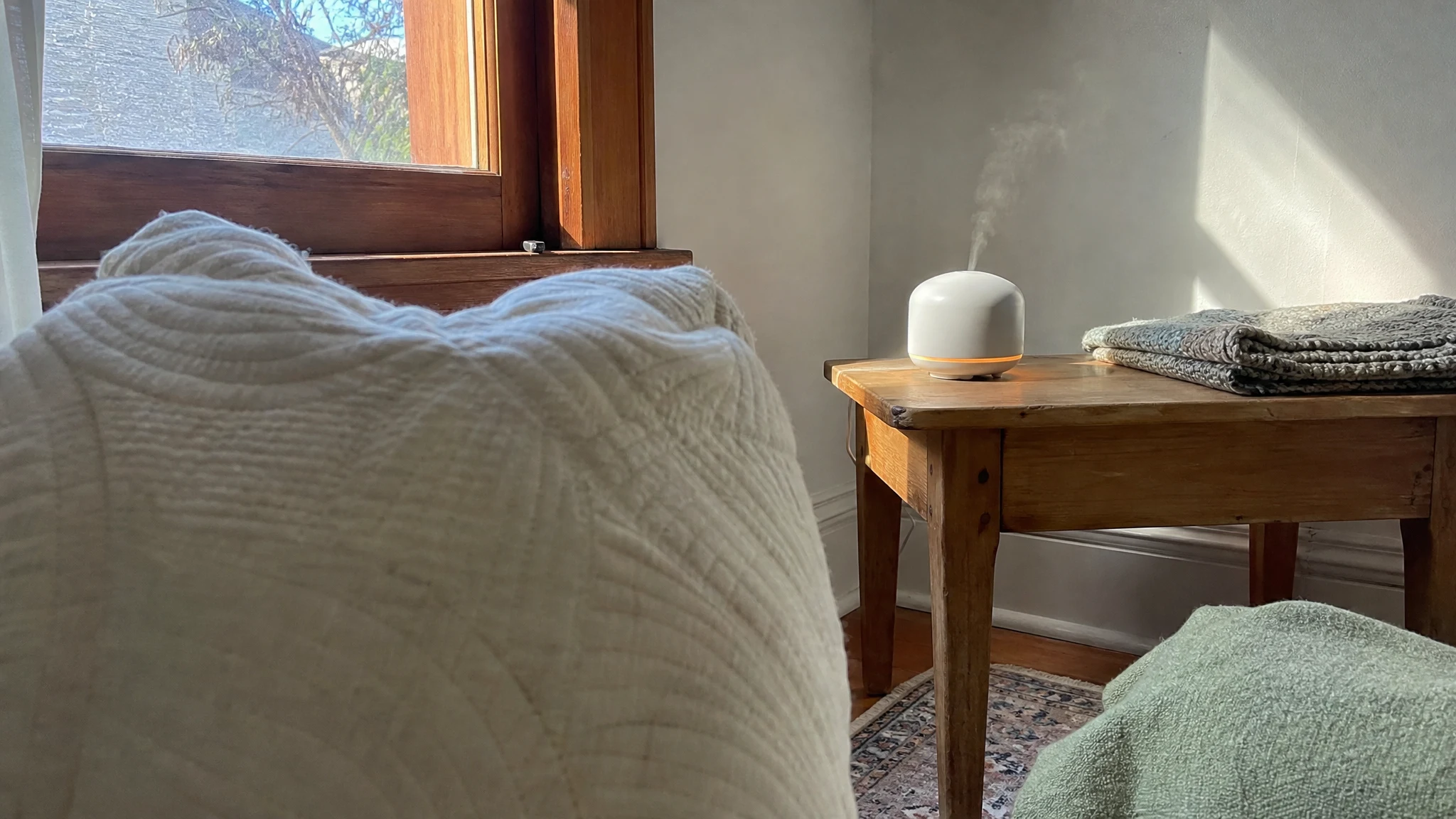
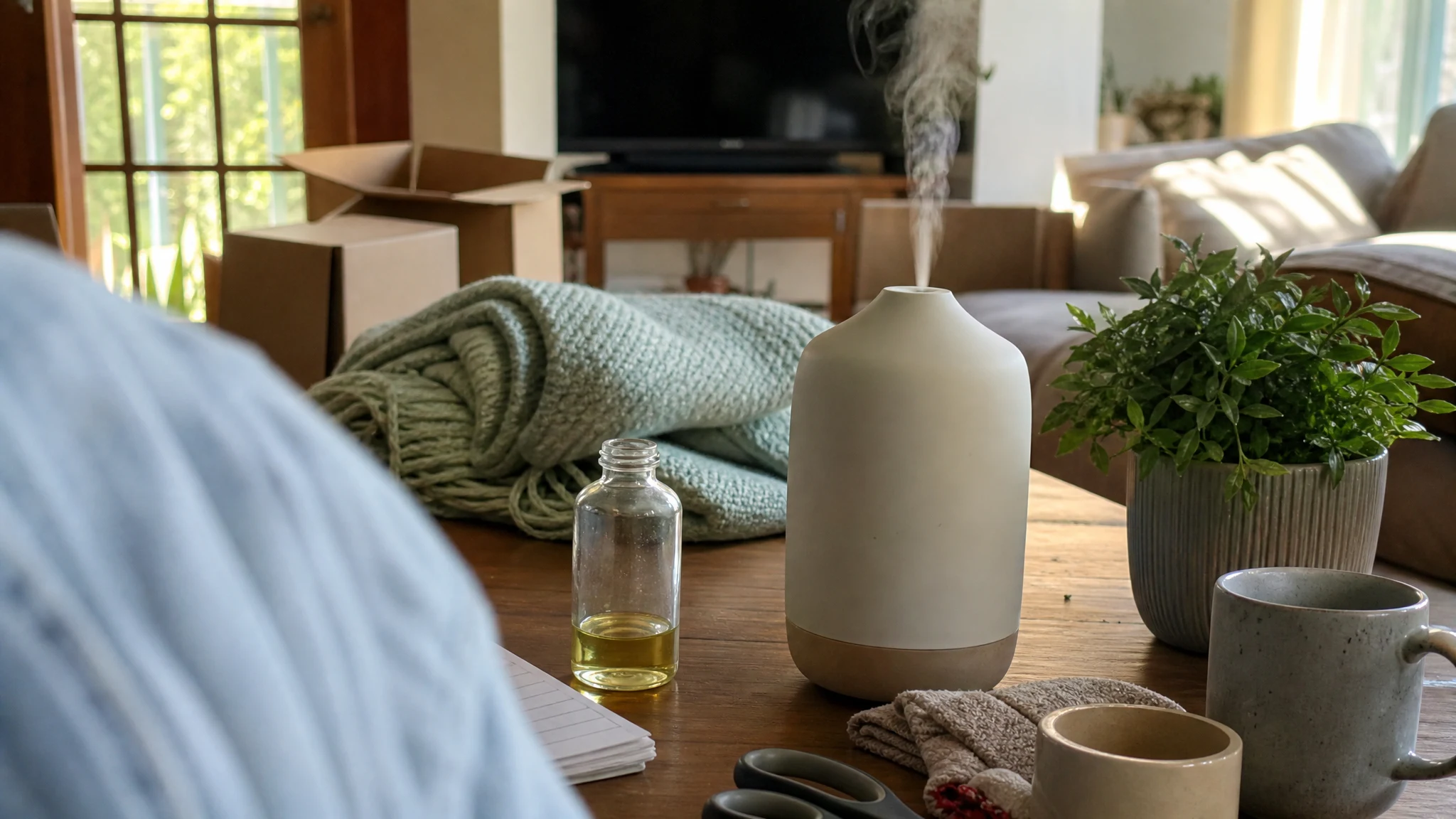
A diffuser running in a living room or office gives those volatile molecules a steady, low-level presence that works with the fast olfactory-to-limbic pathway described above, rather than one overwhelming blast. It also pairs well with cedarwood, vanilla, or sandalwood if you want to build a layered diffuser blend. Beyond the diffuser, stirring a small amount into melted soap base or candle wax carries the fragrance into finished goods, a scented cotton pad tucked into a dresser drawer or gym bag holds the scent for weeks, and a few drops in a spray bottle of water and witch hazel makes a simple room mist. For skin contact, in a lotion, for instance, dilute first and do a small patch test, since even cosmetic-use oils can irritate sensitive skin.
Who should sit this one out
None of this makes essential oil blends a substitute for treating anxiety, insomnia, or any diagnosed condition, and nothing here should be read as a claim that this blend treats, cures, or prevents anything — it's a fragrance product, not a medical one. If you're pregnant, managing asthma or another respiratory condition, or sharing the house with cats or dogs, check with your doctor, allergist, or veterinarian before diffusing citrus or floral oils regularly, since sensitivity to airborne compounds varies by species and by individual. And if a scent you're told is supposed to be calming instead makes you tense, trust that reaction. Given how personal the olfactory-limbic connection actually is, your own nose is a better judge of what works for you than any ranking of 'best relaxing oils' could be.
Frequently Asked Questions
Why does a scent trigger a memory or mood so fast?
Because olfactory receptor neurons connect directly to the amygdala and hippocampus, the brain's emotion and memory centers, before signals reach the thalamus. Sight, hearing, and touch all route through the thalamus first, so smell has a shortcut other senses lack, letting a scent summon a feeling almost before you consciously notice it.
Does lavender reliably act as a sedative when inhaled?
Not reliably. Herz's review found much of the relaxation attributed to scent comes from expectation and learned association rather than direct chemical action, though linalool in lavender has shown measurable autonomic effects in small trials. The size and direction of that effect varies by person, dose, and setting.
Why do two people smell the same blend differently?
Because olfactory receptor genes vary significantly between individuals, changing what people actually perceive. Keller et al. found a single amino-acid difference in one receptor gene can make the same compound seem strong and unpleasant to one person and barely noticeable to another, compounded by each person's personal scent associations.
How is the Calm blend made?
Each oil is processed separately, then combined: lavender and chamomile are steam-distilled, while bergamot peel is cold-pressed. The three are then blended in careful proportions in small batches to create one consistent floral, citrusy, herbaceous scent.
What's a good way to use this blend day to day?
The article suggests running it in a diffuser for steady, low-level scenting of a living room or office. It can also be stirred into soap base or candle wax, placed as a scented cotton pad in a drawer or gym bag, or added to a witch hazel and water room mist.
Who shouldn't diffuse this blend regularly?
People who are pregnant, managing asthma or another respiratory condition, or sharing a home with cats or dogs should check with a doctor, allergist, or veterinarian first. The article also notes the blend isn't a treatment for anxiety or insomnia, and anyone who finds it tense-inducing rather than calming should trust that reaction.