 DIY Recipes
Why Small-Batch Proportions Matter: How Three Separately Processed Oils Become One Consistent Blend
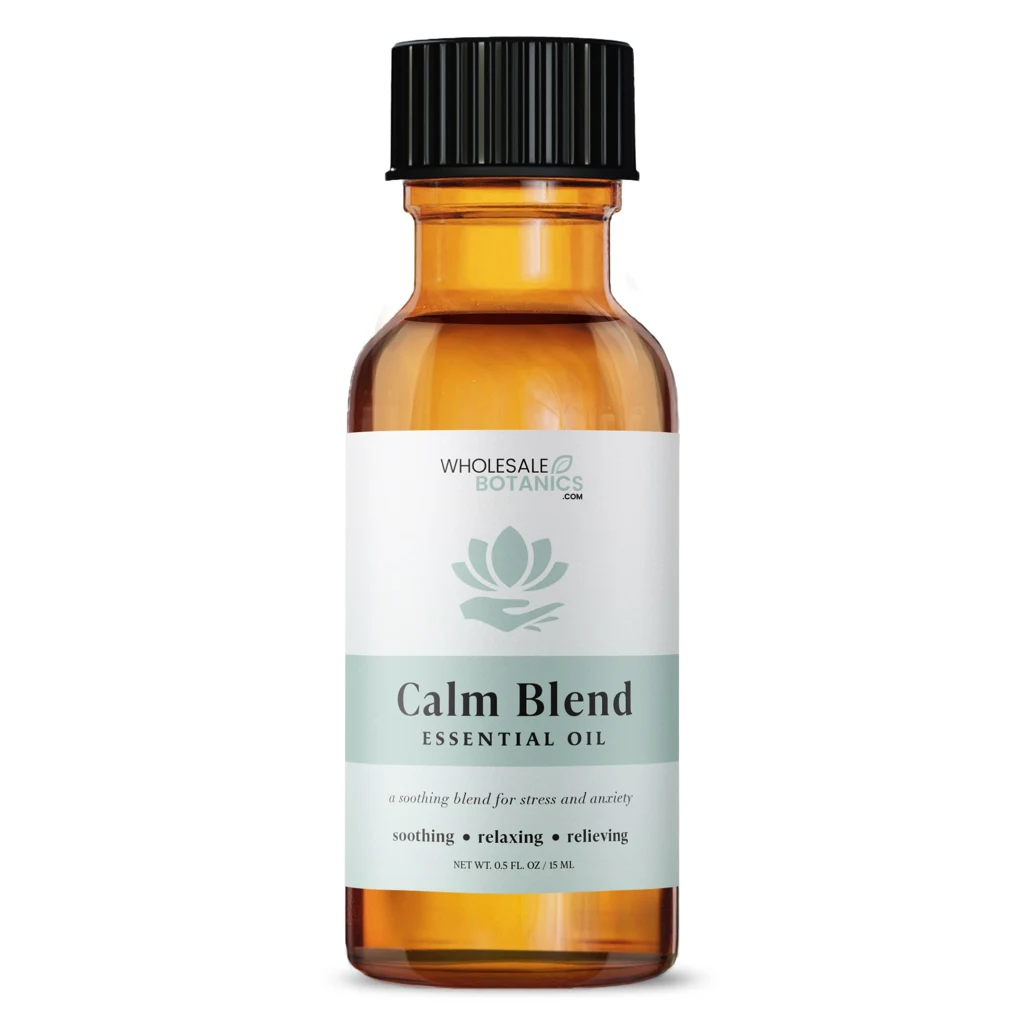
Pour three essential oils into one bottle and you'd expect the result to drift a little from batch to batch — one lot of lavender a touch sharper, one run of bergamot a bit more green than citrusy. Our Calm Essential Oil Blend is built from lavender, chamomile, and bergamot, and it still opens with the same bright citrus snap, settles into the same soft floral middle, and finishes with the same warm, apple-like note every time. That repeatability isn't luck. It comes from treating each raw oil as a variable ingredient and re-balancing the ratio against it, batch by batch, rather than trusting one fixed formula to work forever.
Table of Contents
Key Takeaways
- The blend's consistent scent comes from re-balancing proportions each batch rather than using one fixed formula.
- Lavender and chamomile are steam-distilled while bergamot is cold-pressed, a fundamentally different process.
- Steam distillation only pulls lighter aromatic compounds, while cold pressing expresses the whole peel's chemistry.
- Natural variation in lavender's linalool and chamomile's chazulene content means fixed ratios drift without adjustment.
- Cold-pressed bergamot contains furanocoumarins that are phototoxic, so skin contact needs care and sun avoidance.
Three Plants, Two Completely Different Processes
Lavender (Lavandula angustifolia) and chamomile (Matricaria chamomilla) in this blend are both steam-distilled: the flower spikes and blossoms are exposed to steam, which carries their volatile aromatic compounds up and over into a condenser. Bergamot is handled differently. It's cold-pressed — the peel of the Citrus bergamia fruit is mechanically squeezed, releasing the oil sacs in the rind without any heat at all.
That difference in method isn't a footnote. Steam distillation only pulls across compounds light enough to travel with steam, which is why a distilled oil's chemistry is fairly contained. Cold pressing expresses everything sitting in the peel's oil glands, light and heavy molecules alike, which is why a pressed citrus oil carries a broader, less filtered slice of the fruit's chemistry than a distilled one does. Lavender and chamomile arrive at the blending bench already narrowed down by heat and steam. Bergamot arrives as a fuller, unedited expression of the peel.
Why the Same Ratio Doesn't Always Smell the Same
Essential oils are agricultural products, not standardized chemicals, and their composition shifts with growing conditions, harvest timing, and altitude. Lavender oil is a good example: ISO 3515, the international standard covering Lavandula angustifolia oil, defines an acceptable range rather than a single fixed figure for its two signature compounds, linalool and linalyl acetate — because real harvests of real lavender naturally fall across that range depending on where and when the plant was grown (ISO, 2002). Chamomile shows a similar pattern from a different angle: its characteristic blue-green color comes from chamazulene, a compound that doesn't exist in the fresh flower at all. It forms from a precursor called matricin only during the heat of steam distillation, and how much forms depends on how mature the blossoms were at harvest and how the distillation was run (Franz & Novak, 2010, Sources of Essential Oils, in Handbook of Essential Oils, CRC Press).
So the lavender in one harvest and the chamomile in another can each be true to their species and still land in noticeably different places within their natural range. A recipe written as fixed percentages — say, a set ratio of bergamot to lavender to chamomile — will drift in character as those two inputs drift, unless somebody is actually smelling and adjusting.
A Blending Ratio Is a Target, Not a Formula
This is where small-batch production earns its keep, and it's worth saying plainly: a published blending ratio for a natural essential oil product is better understood as a target to re-hit each time than a formula that gets measured out the same way forever. Large-scale production usually solves the variability problem by pooling many lots of oil together, which averages out the differences but also flattens the character of any one harvest. Working in small batches takes the opposite approach — each batch of lavender, chamomile, and bergamot gets weighed against the others and the proportions are nudged until the top, middle, and finish line up the way they're supposed to, rather than running a fixed formula through on autopilot.
Ready to try Calm Essential Oil Blend?
Sold in sizes from 0.5 oz to 16 oz, lab-tested and shipped fast.
Shop Calm Essential Oil BlendThe One Oil That Needs Its Own Rules
Bergamot deserves a word on its own, because cold-pressed bergamot oil is phototoxic in a way that steam-distilled lavender and chamomile simply are not. The peel carries furanocoumarins — bergapten chief among them — and because cold pressing doesn't filter the heavier compounds out the way distillation does, those furanocoumarins travel straight into the finished oil. They absorb UV light, and on skin that then sees sun or tanning-bed exposure, that absorption can trigger a reaction well beyond ordinary sun sensitivity. It's exactly why the International Fragrance Association restricts how much expressed bergamot oil can go into leave-on skin products (IFRA Standards).
Practically, that means skin contact with this blend is a decision worth making carefully, not casually — diluted, kept away from sun exposure afterward, and run past a dermatologist first if skin sensitivity or photosensitivity is already a concern. None of that applies to how the blend behaves in a diffuser, a candle, or a drawer sachet, where nothing is touching skin at all.
Where This Blend Fits, and Where It Doesn't
If what you need is a reproducible chemical profile — the kind of exacting consistency a clinical or laboratory application would demand — a small, hand-balanced batch isn't the right tool; that level of precision belongs to standardized, pooled-lot production, not an artisan one. What small-batch blending is good at is holding a scent character steady for everyday use, even while the raw plant inputs underneath it keep shifting slightly from harvest to harvest. It's also not a wellness treatment of any kind — it's a fragrance blend, meant to be enjoyed for how it smells.
Putting It to Use
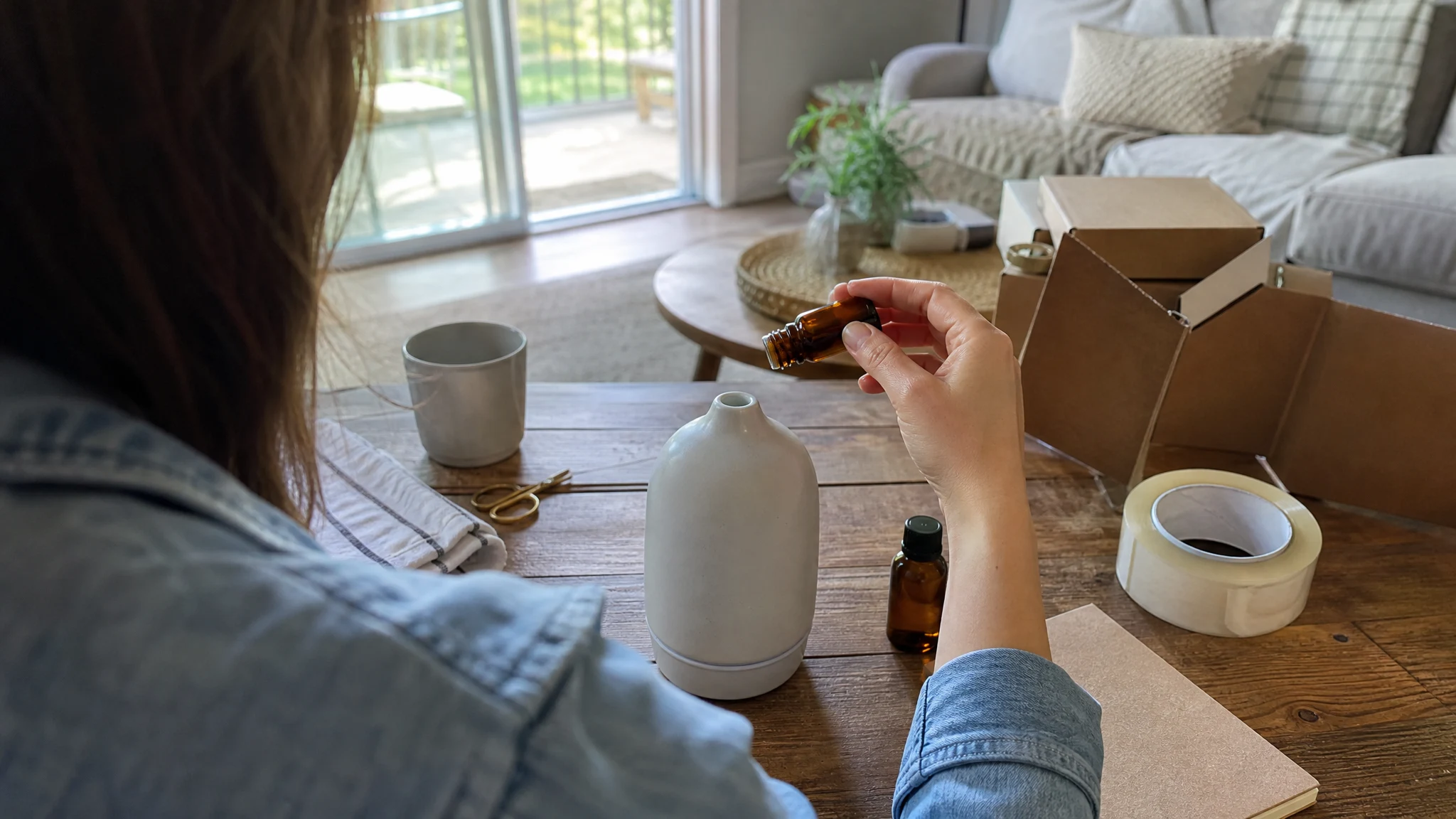
Once the ratio is right, this blend is flexible. A few drops in a diffuser scent a living room or office on their own, or paired with cedarwood, vanilla, or sandalwood for something rounder. Stirred into melted soap base or candle wax before it sets, the fragrance carries through into the finished piece. A cotton pad with a few drops tucked into a dresser drawer or gym bag holds the scent there for weeks. Mixed into an unscented lotion, or into a spray bottle of water and witch hazel, it becomes a simple scented mist for a room — just remember that lotion application puts the oil in contact with skin, so the same bergamot caution applies there as anywhere else on the body.
You can find the finished blend on our shop page, and more on how we think about pairing and using blends over on our articles page.
Frequently Asked Questions
Why doesn't this blend smell different from batch to batch?
Because each batch's lavender, chamomile, and bergamot oils are weighed against each other and the ratio is nudged until the top, middle, and finish notes line up correctly, rather than running a fixed formula on autopilot every time.
Why is bergamot processed differently from the lavender and chamomile in this blend?
Bergamot is cold-pressed from the fruit peel rather than steam-distilled because that's how its oil is naturally expressed. Cold pressing releases the oil sacs mechanically without heat, pulling in a broader, unfiltered range of the peel's chemistry than steam distillation would.
Is it safe to put this blend directly on skin?
Skin contact should be approached carefully because the cold-pressed bergamot oil contains furanocoumarins that are phototoxic. The article advises diluting it, avoiding sun exposure afterward, and checking with a dermatologist first if skin sensitivity is already a concern.
Why does the lavender or chamomile in this blend sometimes vary naturally?
Because essential oils are agricultural products whose chemistry shifts with growing conditions, harvest timing, and altitude. Lavender's linalool and linalyl acetate levels fall within an accepted range, and chamomile's chazulene content depends on how mature the blossoms were and how distillation was run.
Can this blend be used for anything beyond scenting a room?
Yes, the article describes stirring it into melted soap base or candle wax so the fragrance carries into the finished product, or tucking a scented cotton pad into a dresser drawer or gym bag to hold the scent there.
Is this blend meant to provide any health or wellness benefit?
No, the article explicitly states it's not a wellness treatment of any kind. It's a fragrance blend meant to be enjoyed purely for how it smells.