 Sourcing & Science
Steam-Distilled vs Cold-Pressed: Why Chamomile and Lavender Differ from Bergamot Peel Oil
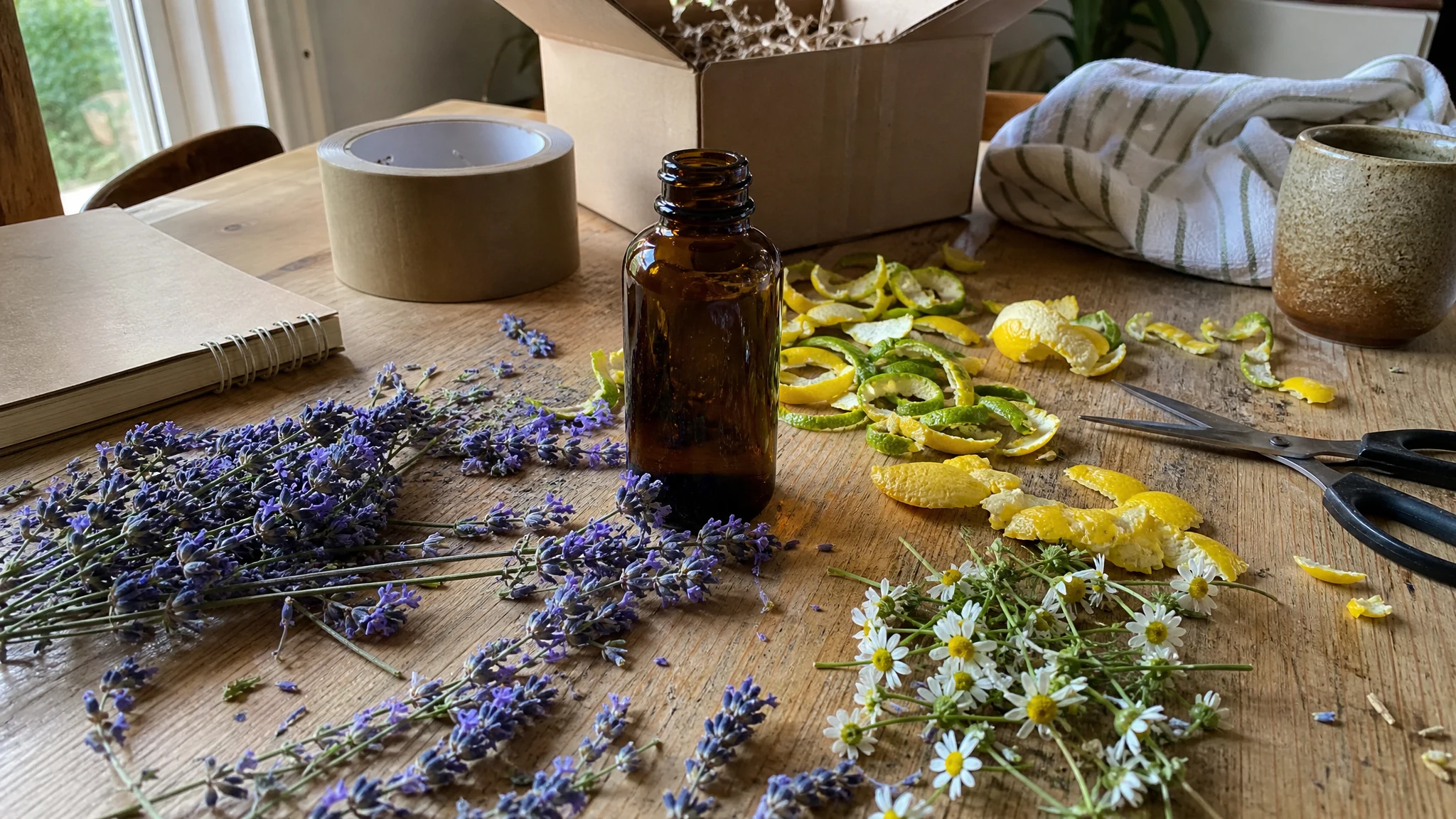
Open a bottle of our Calm blend and you're smelling three plants that never went through the same process. Lavender flower spikes and chamomile blossoms were steam-distilled; bergamot peel was cold-pressed and never saw heat at all. That's not an inconsistency to apologize for — it's the only way to get a usable oil out of each one. The real question isn't why we didn't distill all three the same way. It's what's actually sitting inside a lavender flower versus a bergamot rind, and why that decides the method for you before anyone picks up a still or a press.
Table of Contents
Key Takeaways
- Lavender and chamomile oils are steam-distilled; bergamot peel oil is cold-pressed and never heated.
- Lavender and chamomile store oil in microscopic glandular trichomes that steam must rupture to release.
- Bergamot peel holds oil in visible cavities large enough for cold-pressing to release without heat.
- Cold-pressing retains bergapten, a phototoxic furanocoumarin that can cause burning or dark skin patches.
- Oxidized limonene in cold-pressed bergamot irritates skin more, so the blend needs cool, dark storage.
Where the oil actually lives
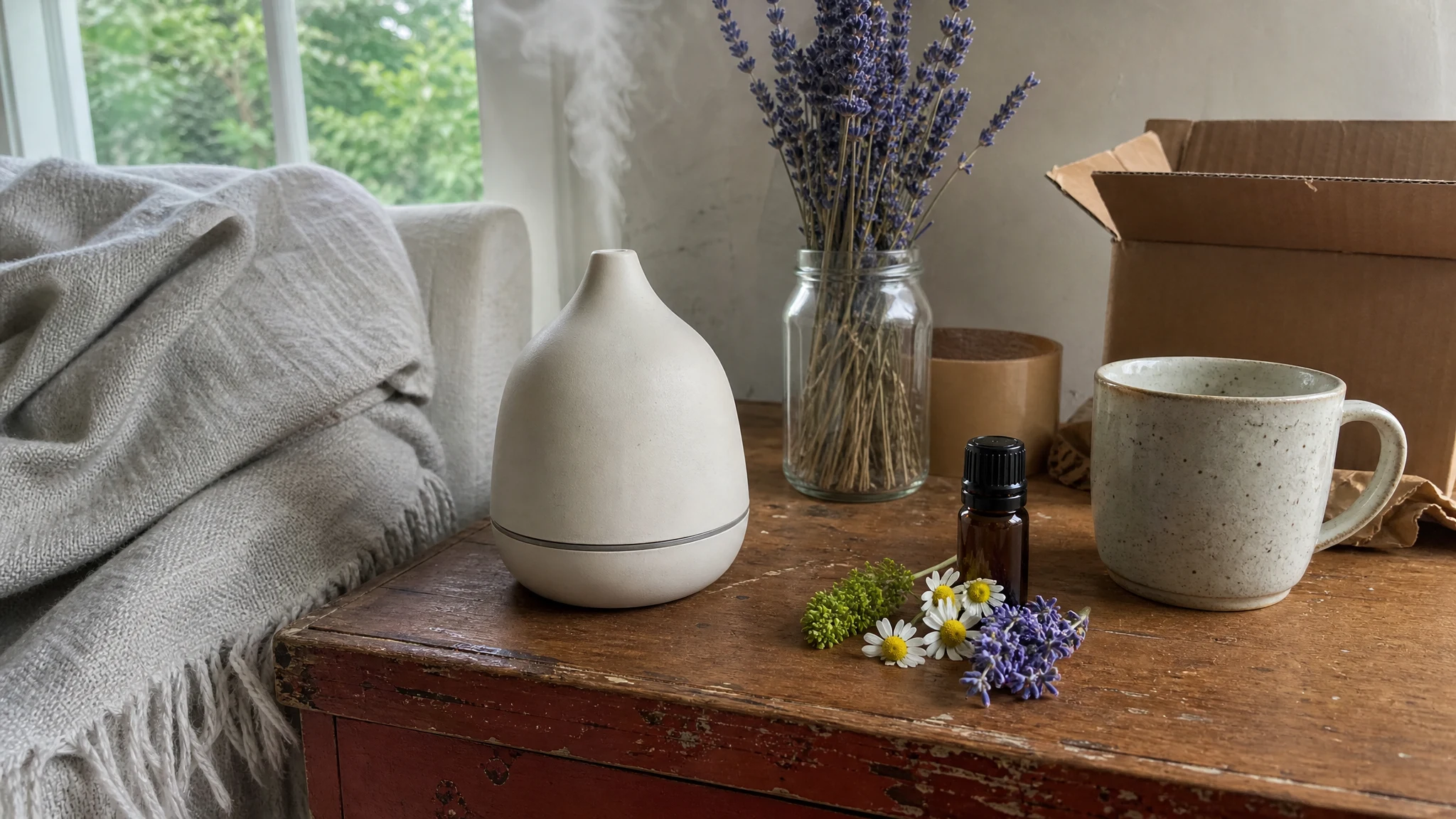
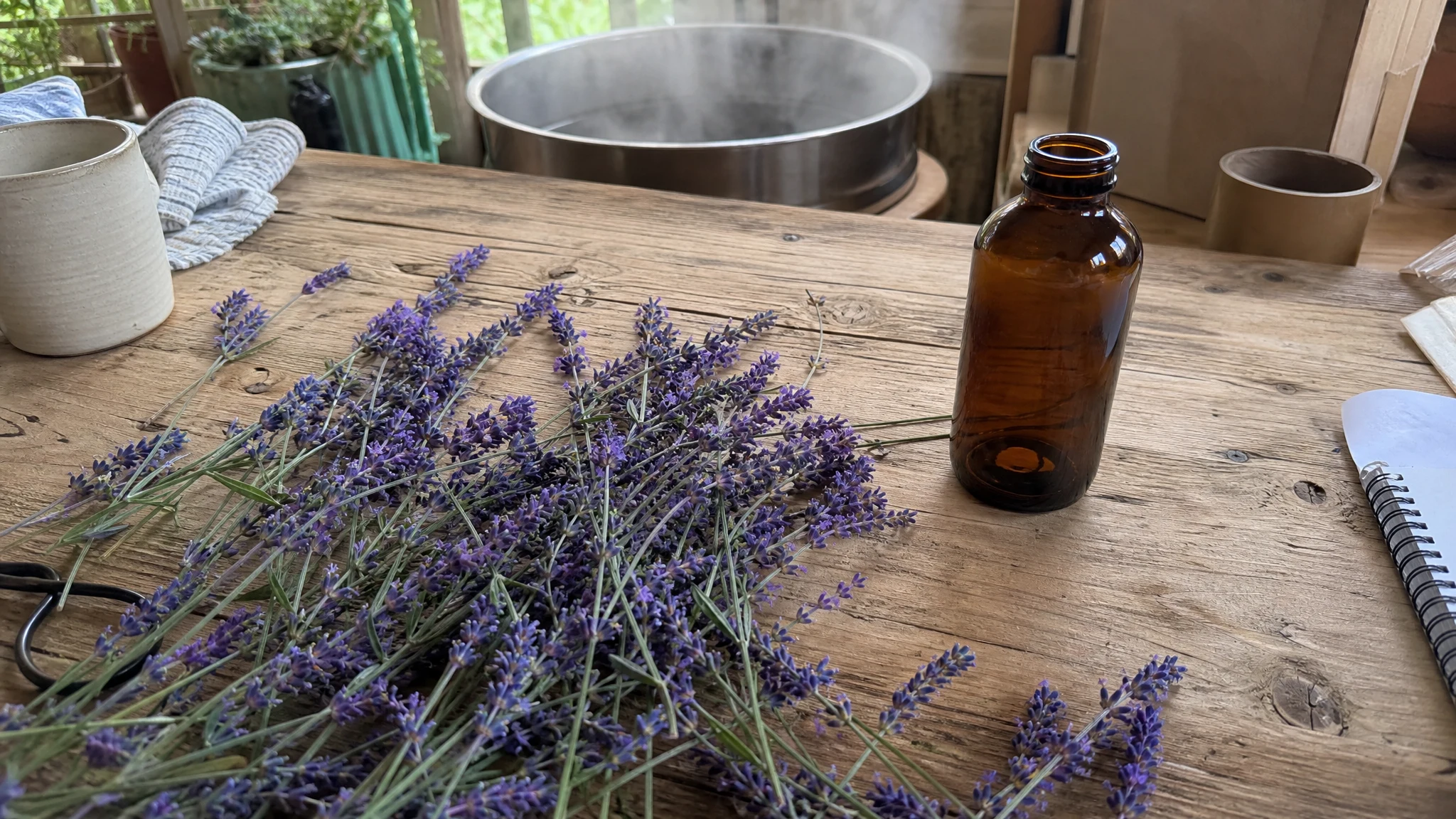
Lavender and chamomile hold their aromatic compounds in glandular trichomes — microscopic, hair-like structures scattered across the flower surface, invisible without magnification. There's only a little oil in any one trichome, and it's sealed inside a thin-walled sac. Steam is what gets it out: hot vapor passed through the plant material softens and ruptures those glands, carries the vaporized aromatic compounds along with it, then releases them again when the vapor cools and condenses. The oil separates from the water because it's lighter and won't dissolve in it; what's left in the water is the hydrosol, lavender water or chamomile water, a mild byproduct of the same run. Lavandula angustifolia oil has been made this way long enough that ISO 3515 defines the international standard around steam-distilled material specifically, and the European Pharmacopoeia's monograph for German chamomile oil (Matricariae aetheroleum) does the same.
Bergamot peel is built completely differently. Citrus rind is studded with oil cavities you can see without a microscope — the little dots across an orange or bergamot peel are oil sacs, not pores. They sit close to the surface and hold enough volume that heat isn't needed to empty them; pressure is. Cold-pressing, more precisely called expression, abrades or presses the peel so those sacs rupture mechanically and release oil at room temperature, which is then separated by centrifuge. Dugo and Di Giacomo's reference work on the genus Citrus (2002) describes the sfumatrice and pelatrice machines that do this at industrial scale today — a mechanized version of the hand-sponge method, or spugna, that Calabrian growers used before the equipment existed.
Cold-pressed isn't the "purer" method — it's the only method that works here
There's a common assumption that cold-pressed automatically means cleaner or higher-grade than anything that went through heat and steam. That's backwards. Citrus peel gets cold-pressed because its oil sacs are large, shallow, and mechanically fragile — not because mechanical extraction is inherently better than distillation. Try to steam-distill bergamot peel the way lavender gets distilled, and you lose the bright top notes that make bergamot smell like bergamot, because the citrus aldehydes and esters responsible for that snap don't hold up well to sustained steam exposure. Try to cold-press a lavender flower spike, and you get nothing, because the trichomes holding the oil are too small and too sparse for pressure to do any useful work on them. Each method is a match to the plant's anatomy. Neither one outranks the other.
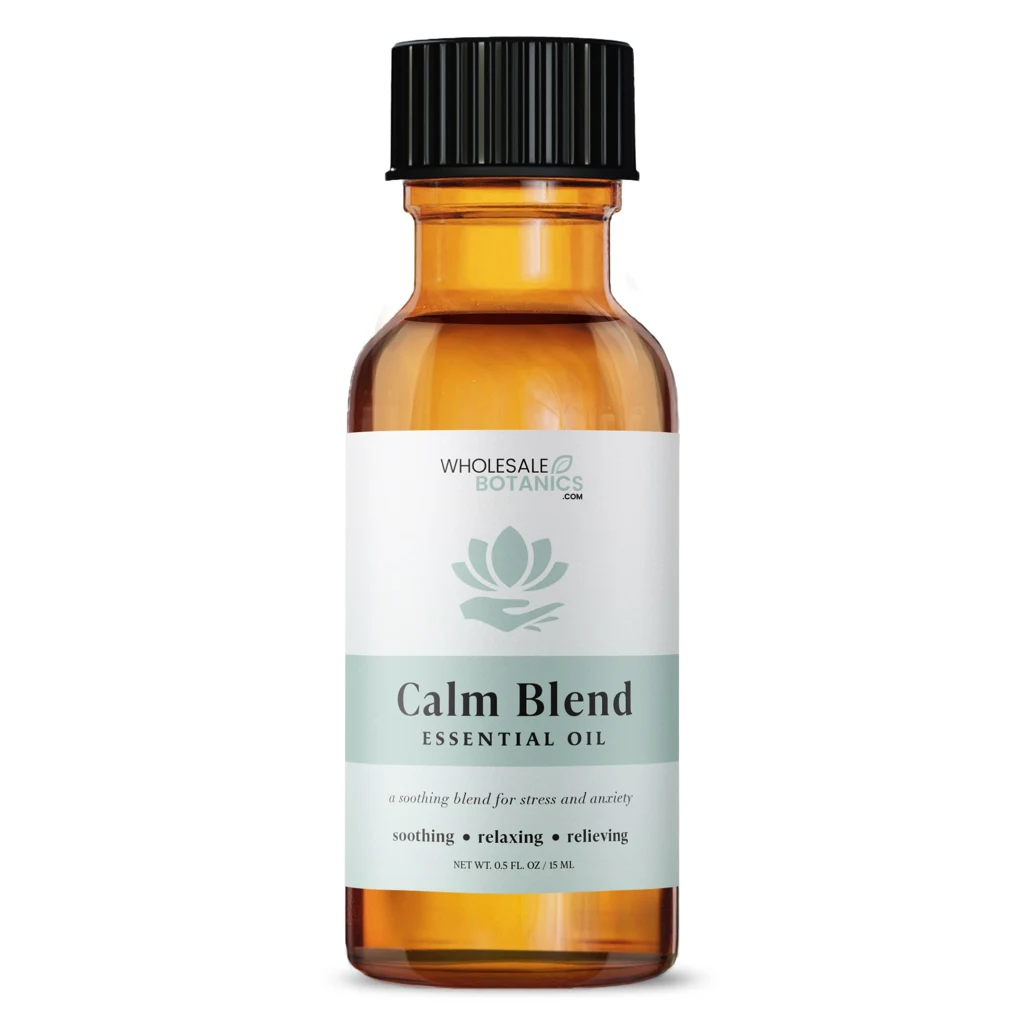
Ready to try Calm Essential Oil Blend?
Sold in sizes from 0.5 oz to 16 oz, lab-tested and shipped fast.
Shop Calm Essential Oil BlendThe one real safety difference this creates
Here's the part that actually matters for how you use a blend like this one. Cold-pressed citrus oils carry over compounds that steam distillation leaves behind entirely. Furanocoumarins — bergapten (5-methoxypsoralen) chief among them — are non-volatile, so they never travel with steam. Mechanical pressing, though, picks up everything sitting in the peel, volatile or not. Bergapten is phototoxic: it reacts with UV light on skin it's been applied to, and can produce redness, burning, or dark patches of pigmentation that take weeks to fade. Tisserand and Young's Essential Oil Safety (2nd ed., 2014) covers this specifically for bergamot, and the International Fragrance Association maintains a standard restricting furanocoumarin levels in leave-on products for exactly this reason. None of that makes bergamot a flawed oil. It makes it an oil you don't put on skin and then sit in the sun, and one that anyone pregnant, caring for a child, or taking a photosensitizing medication should raise with a dermatologist or physician before any skin use — the same caution worth taking with any undiluted essential oil on skin.
Where this blend is actually meant to go
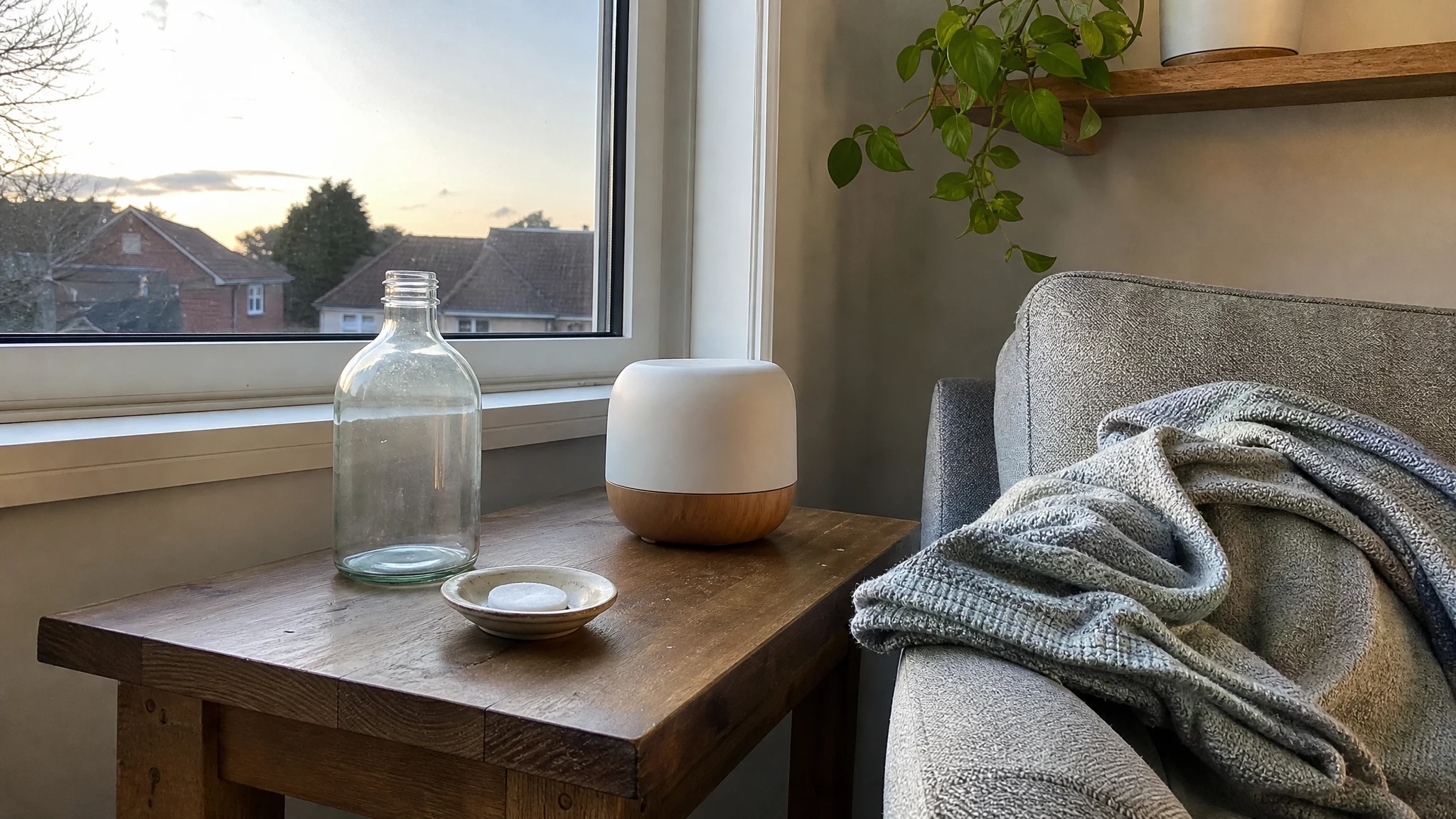
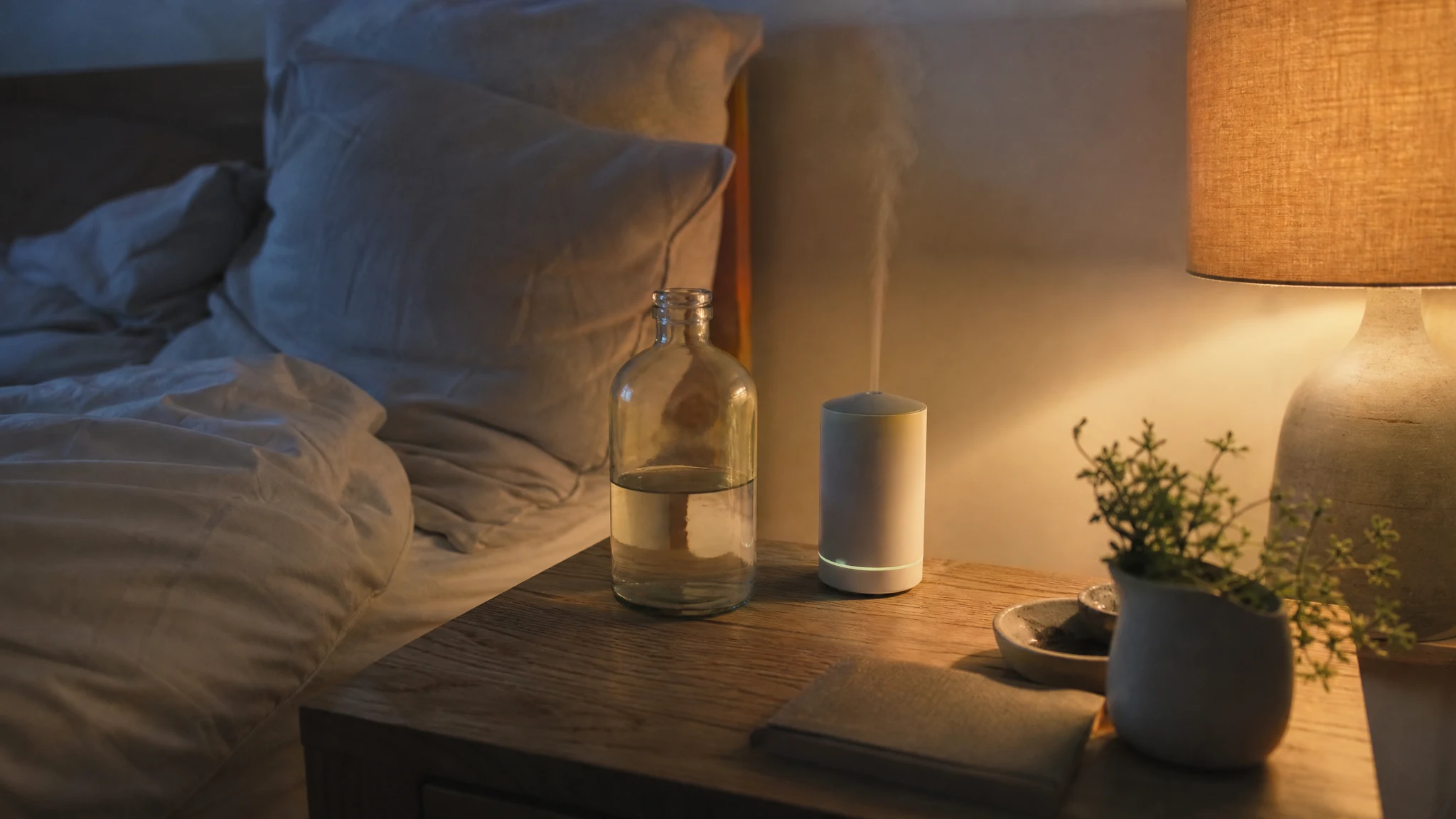
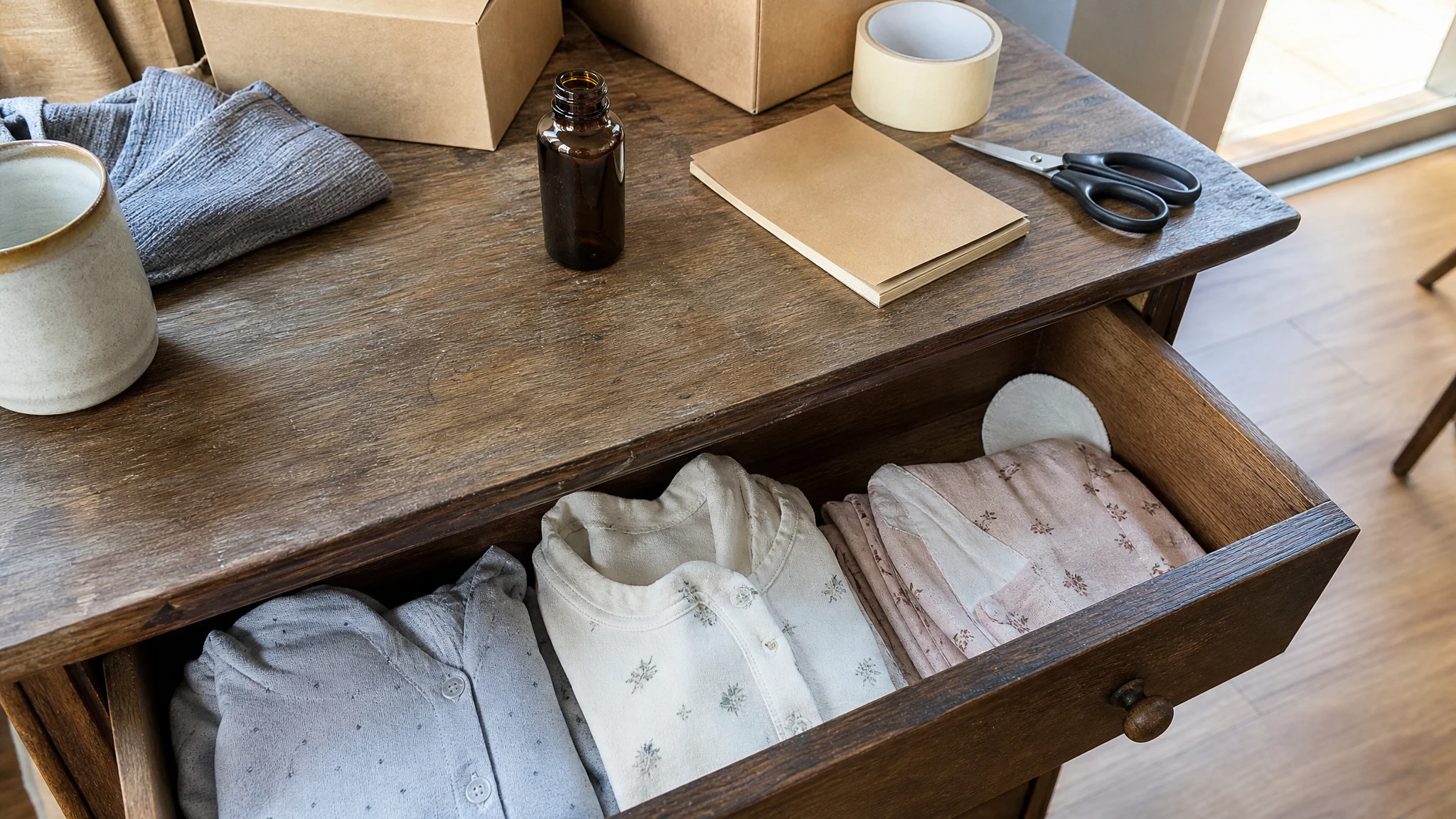
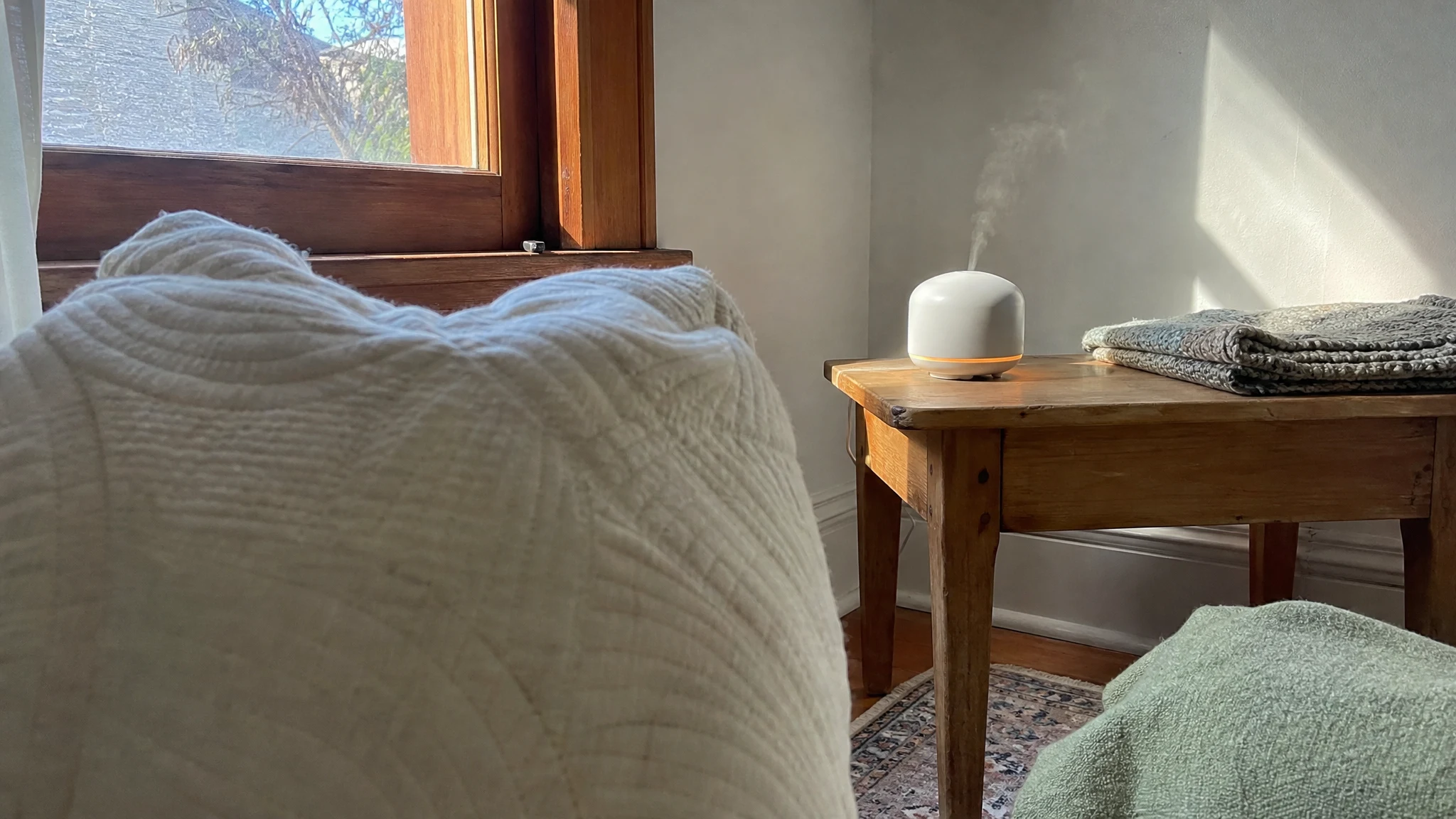
Given that, scenting is the better fit for this blend than skin leave-on in daylight. A few drops near a diffuser carries the bright-bergamot-into-soft-lavender-into-warm-chamomile arc through a living room or office without anyone needing to think about UV exposure at all. Stirred into melted soap base or a batch of candle wax, the fragrance travels into a finished product instead of straight onto skin. A cotton pad with a few drops tucked into a dresser drawer or gym bag holds the scent for weeks on its own. If you do want it in an unscented lotion or a witch-hazel room spray, keep treated skin out of direct sun afterward and patch-test first. It also layers well with cedarwood, vanilla, or sandalwood in a diffuser blend, since none of those add to the photosensitivity question.
One more thing worth knowing before it sits in your cabinet
Cold-pressed citrus oils age differently than distilled ones, too. Their dominant compound, d-limonene, oxidizes on contact with air and light faster than the sesquiterpenes and esters that make up most of lavender and chamomile oil, and oxidized limonene is more likely to irritate skin than fresh limonene (Tisserand & Young, 2014). That's a reason to keep this blend capped tightly in a cool, dark spot rather than left by a sunny window — not because the blend is fragile, but because the bergamot component is doing exactly what citrus oils do over time. Store it well, and that bright opening note is the first thing you'll notice every time you uncap it.
Frequently Asked Questions
Is cold-pressed bergamot oil better quality than the steam-distilled lavender and chamomile in this blend?
No, neither method is superior. The article explains cold-pressing and steam distillation are each matched to a plant's anatomy, not ranked by quality. Bergamot peel's oil sacs are large and mechanically fragile, so pressing works; lavender and chamomile trichomes are too small for pressure, so steam is needed instead.
Can I use this Calm blend directly on my skin in the sun?
It's not recommended without caution. Cold-pressed bergamot carries bergapten, a phototoxic compound that reacts with UV light and can cause redness, burning, or dark pigmentation. The article suggests favoring diffusing, candles, or soap instead, and if used on skin, keeping treated areas out of direct sun and patch-testing first.
How should I store this blend to keep it fresh?
Keep it capped tightly in a cool, dark spot rather than near a sunny window. The article notes bergamot's dominant compound, d-limonene, oxidizes faster on contact with air and light than lavender and chamomile's compounds, and oxidized limonene is more likely to irritate skin.
What does this blend smell like and what pairs well with it?
It opens with bright bergamot, settles into soft lavender, and finishes with warm, apple-like chamomile, reading as rounded and herbaceous. The article notes it pairs well with cedarwood, vanilla, or sandalwood in a diffuser blend, and layers nicely with unscented lotions or candle wax.
Who should be especially cautious before using this blend on skin?
Anyone pregnant, caring for a child, or taking a photosensitizing medication should check with a dermatologist or physician first. The article ties this caution specifically to bergamot's phototoxic bergapten content, noting it's the same general caution worth taking with any undiluted essential oil on skin.
What is the best way to use this blend if I want to avoid any sun-related skin risk?
Scenting rather than skin leave-on in daylight is the better fit, per the article. Suggested options include a diffuser, stirring it into melted soap base or candle wax, or placing a scented cotton pad in a drawer or gym bag, all of which carry the fragrance without direct UV exposure concerns.